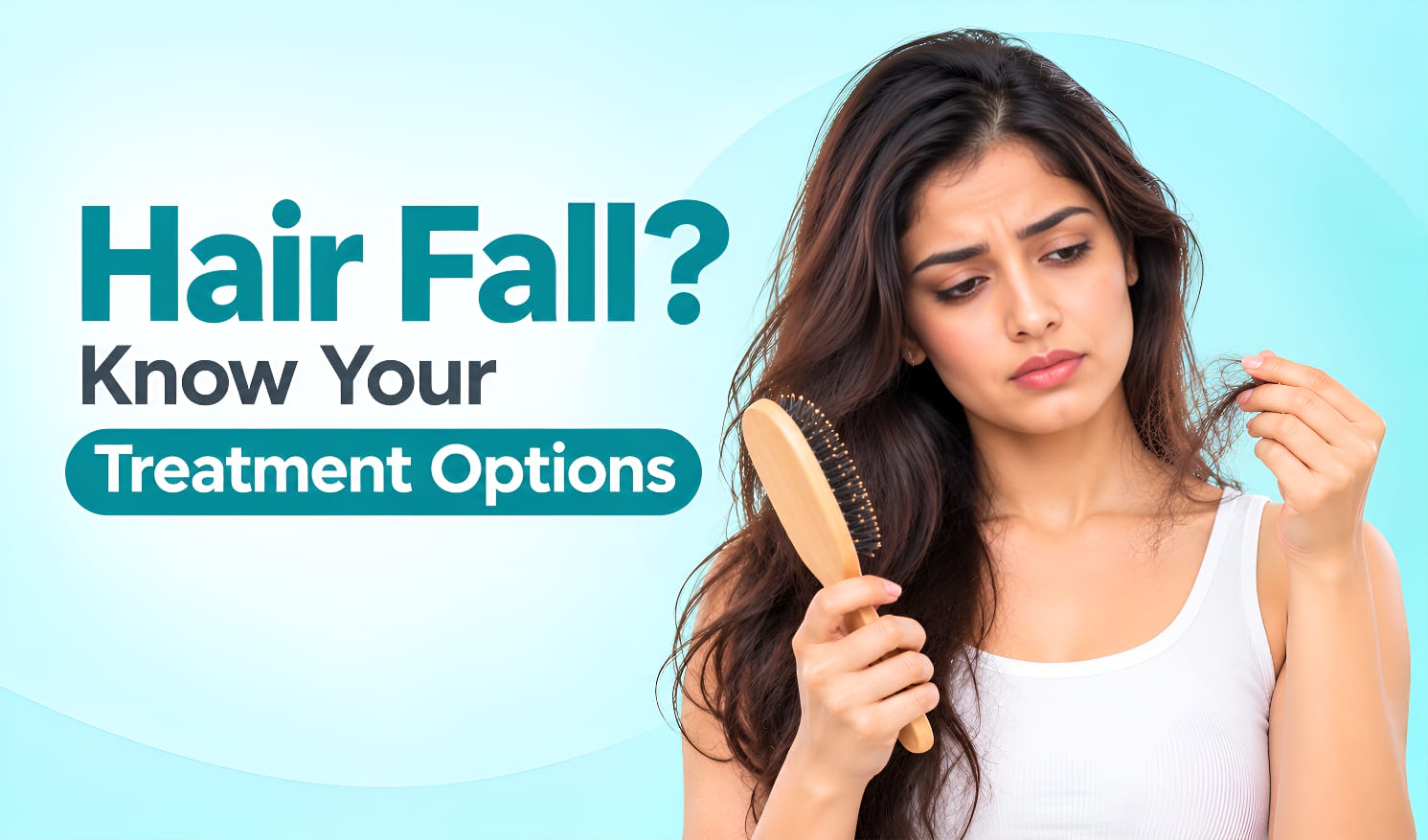
Hair fall is a common concern that can affect both men and women. Whether you are noticing excessive hair shedding, a receding hairline, reduced hair volume or gradual thinning, dealing with hair loss can be frustrating.
While losing some hair every day is a normal part of the hair growth cycle, excessive or persistent hair fall may indicate an underlying concern that needs attention.
The good news is that the right hair care routine, healthy lifestyle habits and appropriate professional treatments can help you manage hair concerns more effectively. Understanding your hair type, scalp condition and the possible causes of hair fall is the first step towards choosing the right solution.
Let’s explore some practical ways to manage hair fall and the professional hair treatment options available at
InstaSculpt.
1. Understand What Is Causing Your Hair Fall
Before choosing a hair fall treatment, it is important to understand why you are experiencing hair loss. Treating the visible symptoms without addressing the underlying cause may not provide the desired outcome.
Some common causes include:
Hormonal changes: Conditions such as PCOS and thyroid disorders may contribute to hair thinning.
Nutritional deficiencies: Low iron levels, inadequate protein intake and certain nutritional deficiencies can affect hair health.
Stress: Physical or emotional stress may trigger temporary excessive hair shedding.
Genetics: Hereditary hair loss can cause gradual thinning in both men and women.
Scalp conditions: Dandruff, inflammation and certain scalp disorders may contribute to hair concerns.
Lifestyle factors: Poor sleep, restrictive diets and excessive heat styling may affect overall hair health.
Identifying the possible trigger can help determine which hair thinning solutions may be appropriate.
2. Follow a Consistent Hair Care Routine
Your everyday hair care habits play an important role in maintaining healthy hair and reducing preventable hair damage.
Here are some simple practices to follow:
Choose the Right Shampoo: Use a shampoo suited to your scalp type. If you experience dandruff or excessive oiliness, choose products formulated for your specific scalp concern.
Avoid Excessive Heat Styling: Frequent use of straighteners, curling irons and blow dryers can weaken hair strands and increase breakage.
Be Gentle While Combing: Avoid pulling or aggressively brushing wet hair. Use a wide-toothed comb and gently detangle your hair.
Limit Chemical Treatments: Frequent colouring, bleaching and chemical straightening may damage the hair shaft.
Maintain Scalp Hygiene: Regularly cleanse your scalp to remove excess oil, sweat and product buildup.
Remember, good hair care can help reduce breakage, but it may not treat hair loss caused by genetics, hormonal conditions or medical issues.
3. Improve Your Diet for Healthier Hair
Healthy hair requires adequate nutrition. A balanced diet provides essential nutrients that support normal hair growth and overall health.
Consider including:
Protein: Eggs, lentils, dairy products and beans.
Iron: Spinach, legumes and other iron-rich foods.
Zinc: Nuts, seeds and whole grains.
Healthy fats: Nuts, seeds and fatty fish.
Vitamins: Fruits and vegetables that provide essential vitamins and antioxidants.
Avoid crash diets and extreme calorie restrictions, as inadequate nutrition may contribute to increased hair shedding.
If you suspect a nutritional deficiency, consult a healthcare professional before starting supplements. Taking unnecessary supplements may not improve hair growth and can sometimes be harmful.
4. Manage Stress and Maintain Healthy Lifestyle Habits
Stress, inadequate sleep and irregular routines can affect overall health and may contribute to certain forms of hair shedding.
To support healthier hair:
Maintain a consistent sleep schedule.
Practise yoga, meditation or breathing exercises.
Include regular physical activity in your routine.
Avoid restrictive dieting.
Make time for relaxation and recovery.
These habits support general well-being, although they cannot replace medical evaluation when hair loss has an underlying cause.
5. Explore Professional Hair Fall Treatment Options
If you are experiencing persistent hair fall, visible thinning or reduced hair density, daily hair care alone may not be sufficient. Professional evaluation can help identify the cause and determine whether additional treatment is appropriate.
At InstaSculpt, different hair treatment options are available to address selected hair and scalp concerns.
High-Frequency Hair Treatment
High-Frequency Hair Treatment uses electrical stimulation through a specialised electrode as part of scalp care. At InstaSculpt, this treatment is offered for concerns such as hair thinning, dandruff and scalp health.
Hair Mesotherapy
Hair
Mesotherapy involves delivering selected substances into the scalp through small injections. The treatment may be considered for certain hair thinning and hair loss concerns following an assessment of individual suitability.
Dermaroller Hair Treatment
Dermaroller Hair Treatment uses microneedling technology to create controlled microchannels in the scalp. It may be considered as part of a hair restoration approach for selected individuals.
The suitability and expected outcomes of these procedures vary depending on the individual’s hair loss pattern, scalp condition and underlying cause. A professional consultation is important before selecting a treatment.
6. When Should You Seek Professional Help for Hair Fall?
Occasional hair shedding is normal, but certain signs should not be ignored.
Consider seeking professional advice if you notice:
Sudden or excessive hair shedding.
Gradual thinning or a widening hair part.
Visible bald patches.
Persistent dandruff, itching or scalp irritation.
Hair fall that continues despite changes to your hair care routine.
A dermatologist can assess your scalp, review your medical history and recommend investigations or treatment based on the underlying cause.
Frequently Asked Questions (FAQs)
- How can I reduce hair fall naturally?
Following a balanced diet, maintaining scalp hygiene, avoiding excessive heat styling and managing stress can help support healthy hair. However, persistent hair loss may require medical evaluation.
- Which treatment is best for hair fall?
The right hair fall treatment depends on the cause of hair loss. High-frequency therapy, Hair Mesotherapy and Dermaroller treatment are among the options available at InstaSculpt. A consultation can help determine individual suitability.
- How long does it take to see results from hair fall treatment?
Hair growth takes time, and results vary depending on the cause of hair loss, treatment approach and individual response. Consistency and appropriate follow-up are important.